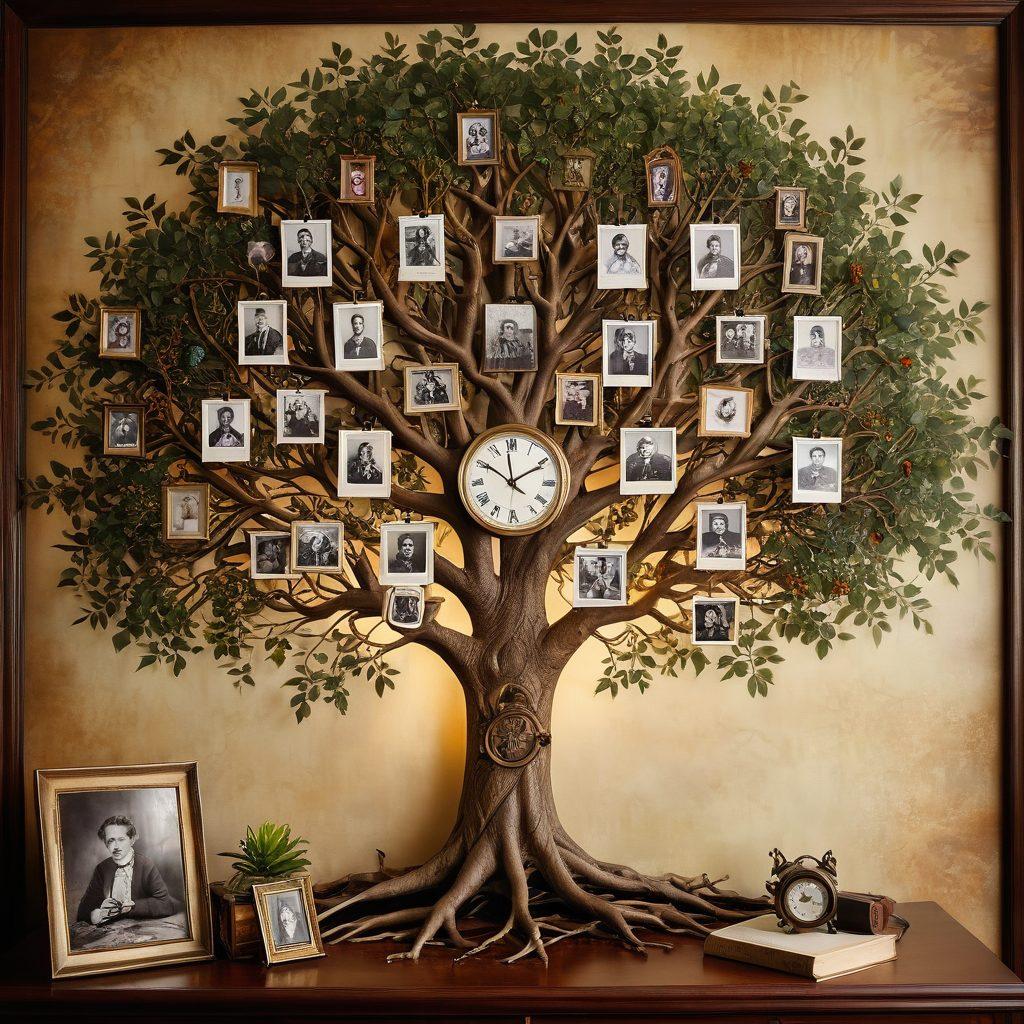
Unearthing Your Ancestral Roots: A Journey Through Family Lineage and Heritage
Have you ever wondered who you truly are? Beyond your name, what stories lie buried in the rich soil of your family lineage? Delving into the narratives of our ancestors can reveal fascinating insights not only about our family heritage but also about ourselves. In this journey through heritage exploration, we will unlock the door to ancestral narratives that weave together stories of triumph, struggle, and identity. Let’s embark on this exploration of our cultural heritage as we piece together the mosaic of our family ancestry.
Picture this: a dusty attic filled with forgotten treasures, boxes crammed with old photographs, and crumbling letters that whisper secrets of days gone by. These are the treasures of historical genealogy waiting to be uncovered. As you sift through these heirlooms, you might stumble upon tales of your great-grandparents’ immigration journey, or perhaps the brave choices made during turbulent times. Each piece of historical documentation can ignite profound connections, turning anonymity into a vibrant tapestry of familial stories. What astonishing facts might your own family chronicles reveal?
Have you ever felt an inexplicable urge to visit a certain country or learn a particular language? This gut feeling might be rooted in the whisperings of your ethnic heritage. Lineage mapping—tracing your family connections to specific regions and cultures—can provide answers. It’s like piecing together a puzzle where each ancestry branch adds color to your understanding of who you are today. Perhaps you’ll discover long-lost relatives or hidden traditions that enrich your life. Have you considered how cultural ancestry can influence your personal identity?
Genealogical research is not just for the history buffs. Really, it’s for anyone curious about their past. With modern tools like ancestry DNA tests and online genealogical records, heritage documentation has become more accessible. More than just names and dates, these records tell the story of resilience, adaptation, and evolution. Imagine learning about the hobbies, professions, or even quirks of your ancestors! This kind of historical storytelling can stitch together a narrative that is deeply relatable and profoundly personal, sparking a desire to explore your roots.
Finally, as we sift through the dusty remnants of the past, let us not forget the moral responsibility we hold in preserving these ancestral stories. They are not just relics but vibrant tales that connect us to our heritage. What will be your family’s legacy? How can you share these discoveries with future generations? Engaging in heritage exploration and ancestor research can empower us to tell our stories and honor our family lineage, creating a cultural genealogy that spans the test of time. Your journey to uncover your ancestral roots could inspire countless others to start their own quest. So, why not take the first step today?
Mapping Your Lineage: The Importance of Genealogical Research
Have you ever wondered where you come from? What stories lie hidden within your family's past, waiting to be discovered? Mapping your lineage is not just about tracing your roots; it’s an engaging journey through genealogical research that connects you to your ancestral narrative. Each family lineage reveals a tapestry of rich experiences, cultures, and traditions that shape our identities today. As heritage exploration becomes increasingly popular, the significance of family heritage and its impact on our lives cannot be overstated. Are you ready to embark on this adventure and untangle the fascinating stories your ancestors left behind?
Genealogical research isn’t merely about collecting names and dates; it’s about telling ancestral stories that breathe life into the past. Have you ever thought about how these stories shaped your family chronicles? The thrill of uncovering family connections, whether they are joyful or tragic, allows us to understand and appreciate our lineage in its entirety. Imagine discovering that your great-great-grandmother was a pioneer forging paths in a new land or that your uncle played a notable role in a local cultural heritage festival. Historical storytelling of our ancestors retains an emotional impact, connecting us deeply with our roots.
The process of lineage mapping can range from simple online searches to complex investigations involving historical documentation. Many turn to genealogical records, such as birth certificates, census data, and immigration documents, to piece together the puzzle of family ancestry. But it’s not just about the facts—it's about how these records contribute to a greater understanding of our cultural genealogy. Have you begun your ancestor research yet? Each document you uncover adds a layer to your family’s overall story, and as you dig deeper, the more enriched your knowledge of your ethnic heritage becomes.
In this digital age, resources for genealogical research are more accessible than ever. Online databases and dedicated family history programs can provide a treasure trove of information about your lineage. However, it's essential to approach this exploration with a critical mind. Can you discern between verified historical records and folklore? Engaging with community genealogy groups can offer support and shared experiences, enabling a collaborative approach to your heritage documentation. Depending on where you are in your search, you might even discover a community of distant relatives!
Exploring your ancestral roots through genealogical research can be a transformative experience. It is a celebration of our families and a profound acknowledgment of where we come from. By understanding our family lineage, we gain insight into not just our past, but also our present and future. What would your ancestors think of the life you lead today? Would they be proud, or surprised? As you delve deeper into your cultural ancestry, remember that this journey is not only about finding connections; it’s about honoring those who came before you, understanding the challenges they faced, and recognizing the legacy they left behind. Ready to start mapping your lineage and uncovering the extraordinary tales within your name?
Connecting the Dots: How Ancestral Roots Shape Our Cultural Identity
Have you ever paused to think about how your ancestral roots shape who you are today? The tapestry of our identity is often woven from the threads of our past. Engaging in ancestral narrative and heritage exploration can provide profound insights into our cultural heritage and familial connections. Understanding our family lineage enriches our personal stories while closely linking us to broader historical storytelling. As we embark on this journey of discovery, one cannot help but ask: how do the stories of our ancestors influence our present and future identities?
The endeavor of genealogical research has gained immense popularity in recent years, and for good reason. It serves as a tool for lineage mapping, allowing us to uncover layers of family ancestry that were once thought lost to time. Picture this: as you dig through historical genealogy records, you unearth a remarkable story of courage from an ancestor long gone. These familial narratives not only capture our attention; they illuminate our family's resilience and traditions, creating a bridge between the past and the present. How many of those stories remain untold in your family chronicles?
When we delve into our roots, we also engage in cultural ancestry, which ties us to our ethnic heritage. The stories of our ancestors reveal not only personal histories but also broader cultural contexts. For example, finding out about the traditions, rituals, and values embraced by our forebears offers us a chance to reclaim lost practices and keep their spirit alive. By embracing our family heritage in this way, we cultivate a sense of belonging and identity that resonates deeply within us. Can connecting with our roots empower us to embrace the present with more conviction?
Moreover, the act of tracing one's lineage can often lead to unexpected surprises and new familial connections. Who knows what treasures await in the chests of outdated historical documentation? As you embark on ancestor research, you may connect with distant relatives or learn about your family’s unexpected ties to historical events. These revelations can create a sense of community and belonging that transcends generations. Have you ever considered how your family's past might have shaped your current perspectives and values?
Ultimately, the quest to understand our lineage is more than just an academic exercise; it's a deeply emotional experience that ties us to a rich heritage. Our ancestral roots entwine with the branches of identity, inseparable from our everyday lives. Through heritage documentation and cultural genealogy, we gain insights that mold our identities and influence how we relate to each other and the world. As you reflect on your family ancestry, what ancestral stories will you cherish, share, and pass down to the generations to come?